

Should You Detail Your Car Before Selling It?
If you're getting ready to sell or trade in your car, a professional detail is one of the highest-return moves you can make before listing it. Buyers — whether it's a private sale, a dealership trade-in, or an online marketplace — make snap judgments based on how a car looks and smells in the first thirty seconds. Here's what actually moves the needle.
Why Detailing Before a Sale Matters
Studies and industry estimates consistently show that a clean, well-maintained appearance can increase a vehicle's resale value by up to 10–15%, simply because buyers associate a clean car with a well-maintained one — even if the mechanical condition is identical to a dirtier version of the same car. On top of the dollar value, a detailed car photographs better, gets more inquiries online, and tends to sell faster because it doesn't sit around collecting lowball offers.
What to Prioritize (Highest Return First)
1. Interior deep clean. This is the single biggest factor for private buyers. Stains, pet hair, odours, and dusty vents make a car feel neglected even if it's mechanically perfect. A full vacuum, steam clean, and odour elimination goes a long way — this matters more than almost anything else on this list.
2. Exterior wash and paint decontamination. A proper hand wash with iron decontamination and clay bar treatment removes embedded brake dust and grime that a regular wash misses, making the paint look noticeably richer and glossier in photos and in person.
3. Headlight restoration. Cloudy, yellowed headlights make even a newer car look old and neglected. This is a small, affordable fix that makes a big visual difference.
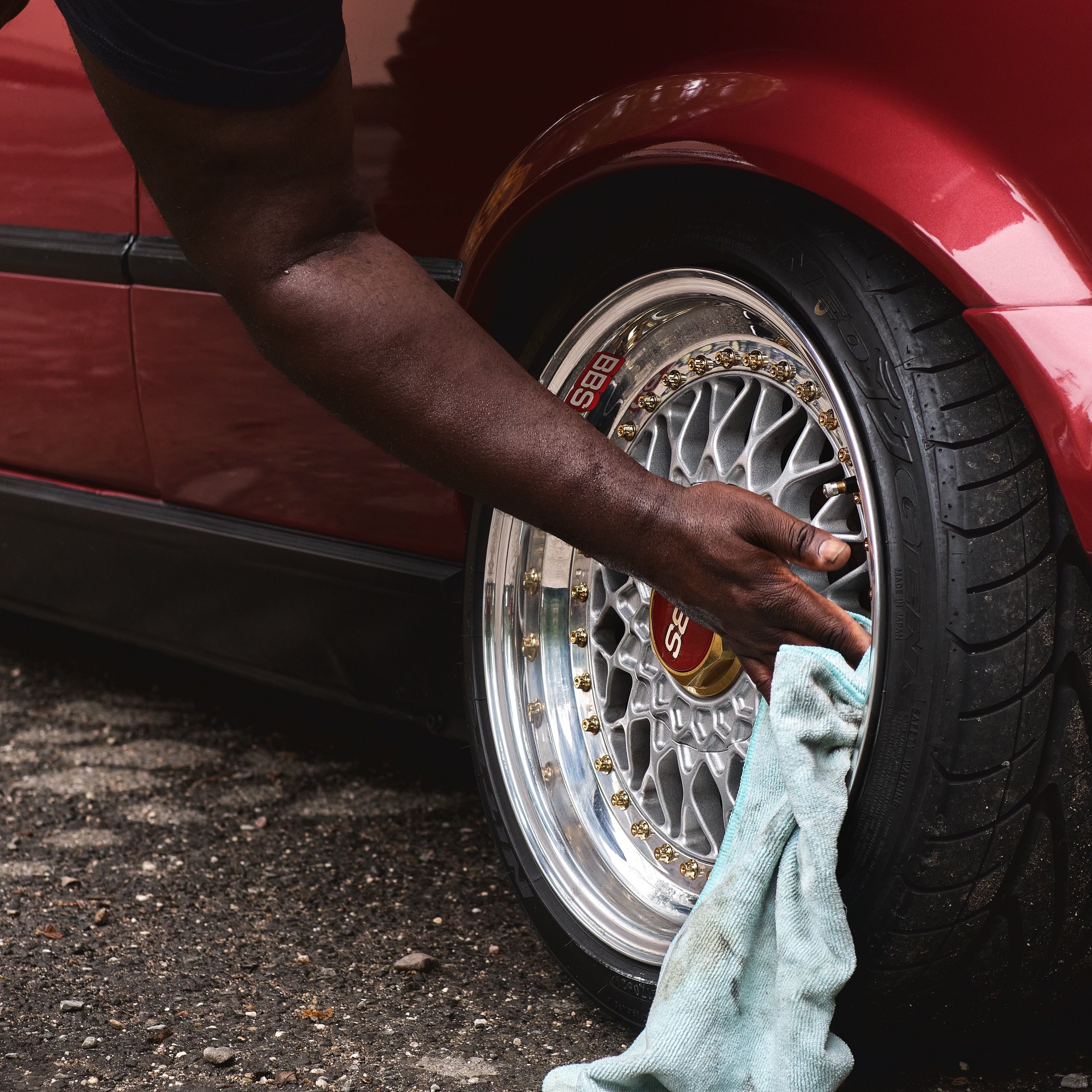
4. Wheel and tire detailing. Clean wheels and dressed tires are one of the fastest ways to make a car look freshly maintained — buyers notice grimy wheels immediately.
5. Engine bay cleaning (optional but effective). If a buyer pops the hood, a clean, dust-free engine bay signals a well-cared-for vehicle. It's not always necessary, but it removes any doubt for cautious buyers.
What to Skip
Paint correction and ceramic coating are usually not worth the investment right before a sale unless the paint has serious visible swirl marks or oxidation that would turn buyers away. These services are better suited for a car you're keeping — the cost typically won't be fully recovered in a quick resale.
Timing It Right
Book your detail as close to your listing date or trade-in appointment as possible — ideally within a few days. A car that was detailed a month ago and has been sitting outside will have lost some of that fresh, just-cleaned impression by the time buyers see it in person.
Mobile Detailing Fits Right Into Your Selling Timeline
Whether you're prepping for photos, a dealership appraisal, or a buyer walkthrough, First Call comes to you anywhere in the GTA so you're not adding a shop drop-off to an already busy to-do list.
How Much Value Does Detailing Actually Add?
Industry estimates suggest a clean, well-detailed car can boost resale or trade-in value by roughly 10–15% compared to an identical but dirty, neglected-looking vehicle — and the cost of a professional detail is typically a small fraction of that gain. Beyond the dollar value, detailed cars sell faster: listings with clean, well-lit photos get more inquiries, and buyers who view the car in person are less likely to negotiate down over "it needs a clean" when that objection has already been removed. For dealership trade-ins specifically, appraisers are trained to factor in cosmetic condition, so a detailed interior and glossy exterior can directly influence the number they offer — before any conversation about mechanical condition even starts. This applies to private sales and dealership trade-ins alike, whether you're listing a car from King City, Toronto, or Oakville — buyers and appraisers everywhere in the GTA respond to the same first impressions.
FAQ
Q: Should I detail before or after getting a trade-in appraisal? Always before — appraisers factor cosmetic condition into their offer, so a clean car can result in a higher number on the spot.
Q: Is it worth detailing an older car with high mileage before selling? Yes, arguably even more so — a clean, well-maintained appearance helps offset buyer concerns about mileage or age by signaling the car was cared for overall.
Q: Should I get the engine bay cleaned before selling? It's optional but helpful if a buyer is likely to pop the hood — a clean engine bay reduces doubt, especially for private sales where buyers are more cautious.
Q: How soon before listing should I book the detail? As close to your listing or appraisal date as possible — ideally within a few days — so the car still looks and smells freshly cleaned when buyers see it.
Getting ready to sell or trade in your car?Book a pre-sale detail or call/text (416) 524-4022 — we'll help you figure out exactly what's worth doing for your situation.

The Best Time to Detail Your Car in Toronto: A Season-by-Season Guide
Toronto doesn't have mild weather — it has four distinct seasons, and each one is hard on your car in a different way. If you're only detailing once a year "whenever it feels dirty," you're probably missing the window when it would actually help the most. Here's the schedule we recommend to GTA clients based on what each season throws at your vehicle.
Spring: Deep Clean and Salt Removal
Spring is the most important detail of the year, full stop. All winter, road salt has been building up in your wheel wells, undercarriage, and carpets. As the weather warms up, that salt combines with moisture and speeds up rust and corrosion — so the longer it sits, the more damage it does.
What to prioritize: a full exterior decontamination wash and an interior shampoo/steam clean to pull salt out of your carpets and floor mats before it sets in for good.
Summer: Protect Against UV, Sap, and Bugs
Summer in the GTA means long days of direct sun, tree sap, bird droppings, and bug splatter — all of which are acidic and can etch into your clear coat if left sitting for more than a few days. UV exposure also fades interior plastics and can dry out and crack leather and dashboards over time.
What to prioritize: a thorough wash with clay bar treatment to remove bonded contaminants, plus a sealant or ceramic coating top-up if you had one applied in spring. Interior UV protectant on the dash and door panels helps prevent cracking.
Fall: Prep and Protect Before Winter Hits
This is your last chance to get ahead of salt season. A fall detail with paint correction (if needed) and a fresh ceramic coating or sealant gives your paint a protective barrier before the salt trucks come out. Think of it as insurance — the prep work you do in October pays off every time you drive through slush in January.
What to prioritize: paint correction to remove any summer swirl marks, followed by a ceramic coating or sealant application while the paint is clean and the weather still allows for proper curing.
Winter: Don't Skip It
Most people assume there's no point detailing in winter — the car's just going to get dirty again in a day. But skipping detailing entirely during winter is a mistake. Salt doesn't wait for spring to start doing damage.
What to prioritize: a maintenance wash every 4–6 weeks focused on the lower panels, wheel wells, and undercarriage, plus regular extraction of salt stains from carpets and mats. If you have a coating applied, a quick rinse is often enough to keep it working.
The Ideal GTA Detailing Schedule
Putting it together, most Toronto drivers get the best results with:
Spring — deep clean and salt removal
Summer — maintenance wash and UV protection
Fall — paint correction and protective coating
Winter — periodic maintenance washes every 4–6 weeks
You don't have to do all four to see a benefit — even hitting spring and fall consistently will keep your car looking newer and protect its resale value significantly better than detailing once a year at random.
Let Mobile Detailing Handle the Schedule for You
First Call comes to your driveway, condo, or office anywhere in the GTA, so keeping up with a seasonal schedule doesn't mean carving out a whole Saturday to drive somewhere and wait.
What Happens If You Only Detail Once a Year?
A single annual detail is far better than nothing, but timing that one visit matters more than most people realize. Detailing in mid-summer, for example, does nothing to remove the salt damage that's been sitting since winter — by the time summer rolls around, corrosion may already have started. If you can only fit in one detail per year, spring is the highest-value time to do it, since it directly addresses the most damaging season (winter) before the damage compounds. A close second is fall, since a protective coating applied before winter prevents the need for aggressive salt removal in spring altogether. This seasonal pattern holds true across the GTA — clients in Richmond Hill, Markham, and Brampton all deal with the same freeze-thaw and salt cycle, so the spring/fall priority stands regardless of which municipality you're in.
FAQ
Q: What's the minimum number of details per year to keep my car protected? Two — spring (salt removal) and fall (protective coating) — covers the two seasons that do the most damage to GTA vehicles.
Q: Does detailing help in the summer if I don't have visible dirt? Yes — summer contaminants like tree sap, bug splatter, and bird droppings are acidic and can etch into clear coat even if the car looks clean at a glance.
Q: Can I skip winter maintenance washes if I got a fall coating? A coating reduces how much maintenance you need, but periodic rinses of the lower panels and wheel wells are still recommended since salt can still accumulate on a coated surface.
Q: Is there a bad time of year to apply ceramic coating? Coatings need stable temperatures to cure properly, so extreme cold (deep winter) isn't ideal — late fall, before temperatures drop too far, is the sweet spot for GTA drivers.
Ready to get on a seasonal schedule?Book your next detail or call/text (416) 524-4022.
Is Ceramic Coating Worth It in Toronto? Here's the Honest Answer
"Is ceramic coating actually worth it?" is one of the most common questions we get at First Call Mobile Auto Detailing — and it deserves a straight answer instead of a sales pitch. Here's what ceramic coating really does, what it costs in the GTA, and who it makes sense for.
What Ceramic Coating Actually Is
Ceramic coating is a liquid polymer applied by hand to your car's paint. It chemically bonds to the surface and cures into a hard, glass-like layer. Unlike wax, which sits on top and breaks down in weeks, a properly applied ceramic coating lasts years and creates a much stronger barrier against:
UV rays that fade and oxidize paint
Road salt and brine (a big deal for Toronto winters)
Bird droppings, tree sap, and bug splatter, which are all acidic
Light scratches and swirl marks from washing
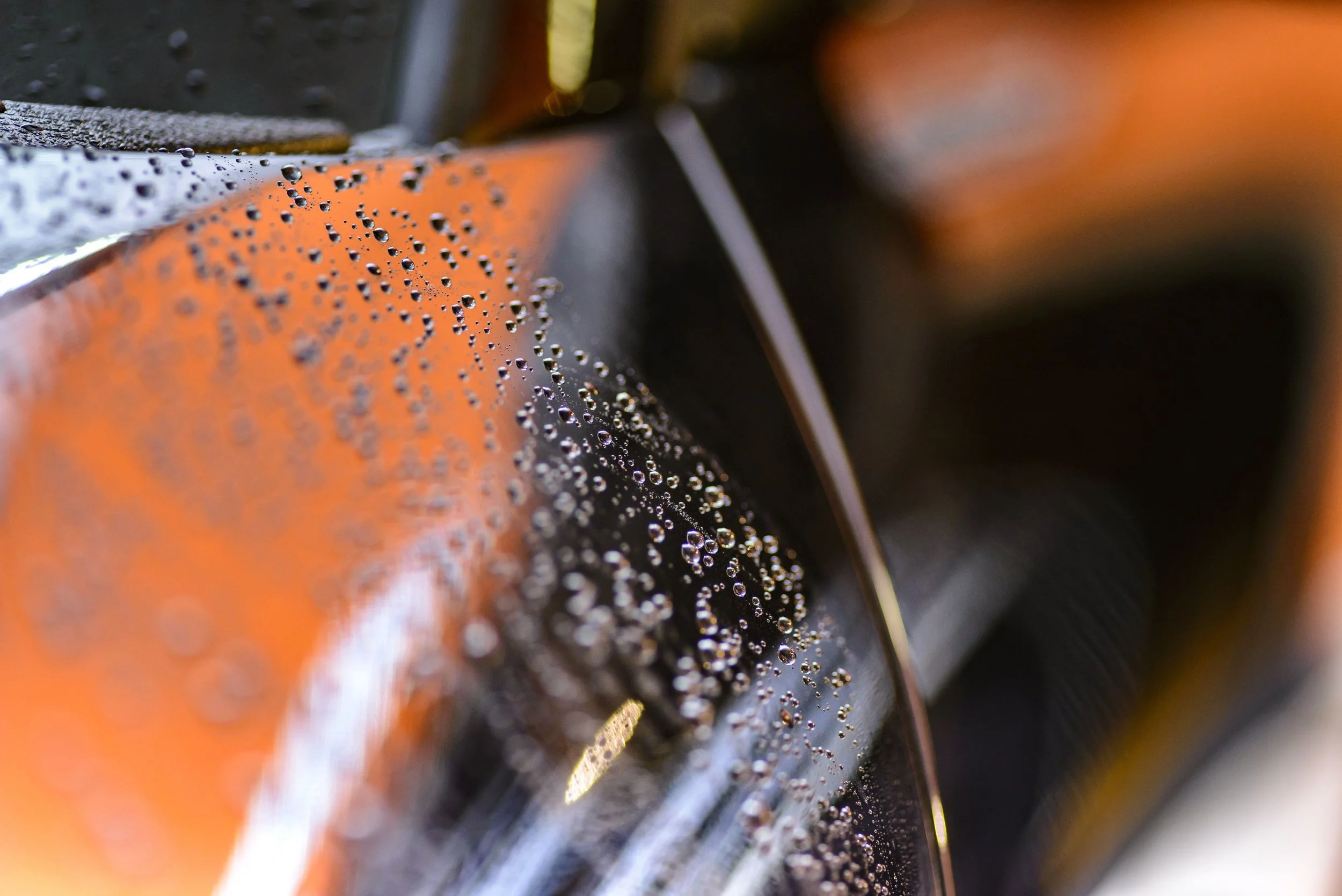
The hallmark of a good coating is water beading — water and dirt slide right off instead of sticking, which is why coated cars stay cleaner longer and are easier to wash.
What Ceramic Coating Does NOT Do
It's worth being upfront about this: ceramic coating is not scratch-proof, it won't stop a rock chip or a deep key scratch, and it doesn't replace paint correction. If your paint already has swirl marks or oxidation, coating over it just locks in those imperfections with a glossy layer on top. That's why a proper coating job starts with a full decontamination wash, clay bar treatment, and paint correction if needed — the coating is only as good as the surface underneath it.
Is It Worth It for GTA Drivers Specifically?
Toronto's climate is genuinely rough on cars — freeze-thaw cycles, heavy road salt from November through March, and intense summer UV. That combination is exactly the scenario ceramic coating is built for. Drivers who get the most value are people who:
Park outside year-round (no garage)
Drive daily through winter and deal with regular salt exposure
Plan to keep the car for several years, or want to protect resale value
Are tired of washing and waxing every few weeks just to keep the paint looking decent
If you park in a heated garage and rarely drive in winter, a coating still helps, but the return isn't as dramatic.
How Long Does It Actually Last?
This varies by product and prep quality, but a professionally applied ceramic coating typically holds up for 2–5 years with proper maintenance (gentle washes, no automated brush car washes, occasional maintenance sprays). Cheap DIY spray coatings from a bottle usually last a few months at best — they're a different product entirely from a professionally bonded coating.
Is It Worth the Cost Compared to Waxing?
Wax needs reapplying every 4–8 weeks and offers minimal protection against salt or UV. Over two or three years, the cost of repeated waxing and the extra time spent washing a less-protected car often adds up to more than a one-time ceramic coating — without the same level of protection.
Getting It Done the Mobile Way
You don't need to drop your car off at a shop for days. First Call brings the full process — decontamination, correction, and coating — right to your driveway or condo parking spot anywhere in the GTA.
How Much Does Ceramic Coating Cost in the GTA?
Ceramic coating pricing depends on the coating's durability tier, the size of your vehicle, and how much paint correction is needed beforehand. Entry-level consumer-grade coatings sit at the lower end of the price range, while professional multi-year coatings backed by a warranty cost more upfront but need reapplication far less often. Paint correction — required if your car already has swirl marks or oxidation — is usually quoted separately, since the amount of correction needed varies a lot from car to car. Ask for a clear, itemized quote that separates correction from coating so you know exactly what you're paying for. We apply the same process whether we're coating a car in Mississauga, Oakville, or Vaughan — decontamination and correction first, coating second, no shortcuts regardless of location.
FAQ
Q: How long does a ceramic coating application take? A full professional application, including decontamination and correction, typically takes a full day or more depending on the vehicle's paint condition.
Q: Can I wash a ceramic-coated car at an automatic car wash? Touchless washes are generally fine, but brush-style automatic washes can introduce swirl marks over time and aren't recommended.
Q: Does ceramic coating stop water spots? It reduces them significantly by helping water bead and roll off, but it doesn't eliminate them entirely — drying the car promptly still helps.
Q: Is ceramic coating better than paint protection film (PPF)? They solve different problems — PPF is a physical film that protects against rock chips and light impacts, while ceramic coating protects against UV, chemical staining, and makes washing easier. Some GTA drivers use both together for maximum protection.
Curious if your car is a good candidate?Get a free quote or call/text (416) 524-4022 and we'll give you an honest assessment, no upsell.

Winter Car Detailing in Toronto: How to Protect Your Car From Road Salt
If you drive in the GTA, your car goes to war with road salt every winter — and most cars lose. Between November and March, the City of Toronto and surrounding municipalities spread hundreds of thousands of tonnes of salt on the roads to keep us safe. It great on ice but brutal on your vehicle.
At First Call Mobile Auto Detailing, winter is when we get the most calls about rust spots, stained carpets, and paint that's gone dull almost overnight. Here's what's actually happening to your car — and how a mobile detail can stop the damage before it's permanent…. though you really should be rust proofing as well.
What Road Salt Actually Does to Your Car
Road salt (usually calcium chloride or sodium chloride) doesn't just sit on the surface, It:
Eats into your clear coat, causing oxidation and a chalky, dull finish
Corrodes wheel wells, undercarriage, and exposed metal, leading to rust that's expensive to repair
Gets tracked into your carpets and floor mats, leaving white stains and a musty smell as it holds moisture against the fabric
Degrades rubber seals and trim, making them brittle and prone to cracking
The worst part is that most of this damage happens in places you can't see — behind panels, in wheel wells, and under the vehicle — until it's already done.
Why a Regular Car Wash Isn't Enough
A $15 automatic wash rinses the surface, but it doesn't remove bonded contaminants, doesn't get into wheel wells, and definitely doesn't extract salt that's already worked into your carpet fibers. By the time salt stains are visible on your seats or mats, it's had weeks to sit against the material.
What a Proper Winter Detail Includes
When we detail a car for winter protection in the GTA, we focus on three things:
Exterior decontamination — a foam pre-wash and hand wash to lift salt and grime, with extra attention to wheel wells, rocker panels, and the lower half of the car where salt spray collects.
Protective layer — a sealant or ceramic coating applied to clean paint gives salt brine and slush somewhere to slide off instead of sticking. It also makes your regular washes faster and easier all winter.
Interior salt removal — steam cleaning and extraction on carpets and floor mats to pull out salt before it sets in permanently and starts to smell.
When Should You Book?
Two windows matter most for GTA drivers:
Late fall (before any heavy salting) — this is the best time for a protective coating, since it seals clean paint before salt season starts.
Mid-winter maintenance (every 4–6 weeks) — even a quick exterior rinse and interior salt extraction is better over letting salt sit for months.
If you only detail once a year, doing it right before winter hits is the single best move you can make for your car's resale value and longevity.
Mobile Detailing Makes Winter Protection Easy
You don't need to drive anywhere or wait around a shop in the cold. First Call comes to your driveway, condo garage, or office parking lot anywhere in the GTA and handles the whole job on-site — no dropping the car off, no Ubering home.
How Much Does Winter Detailing Cost in Toronto?
Winter protection packages usually cost more than a basic wash because they involve extra labour — wheel well decontamination, undercarriage rinsing, and interior salt extraction all take time a quick wash skips entirely. A pre-winter protective coating is a larger upfront cost but is designed to last the whole season (sometimes multiple seasons), while mid-winter maintenance visits are shorter and more affordable. Most GTA drivers find that one solid pre-winter detail plus two or three quick maintenance visits between December and March costs less overall than repairing rust or replacing salt-damaged carpets in the spring. This applies across the whole region — road salt does the same damage in Markham and King City driveways as it does on Toronto streets, so the same seasonal schedule applies no matter which part of the GTA you're in.
FAQ
Q: Can I wash my car in freezing temperatures? Yes, but timing matters — washing right before a deep freeze can cause water to freeze in door seals and locks. Most professional mobile detailers know how to time and execute winter washes safely.
Q: Does ceramic coating really help against road salt? Yes. A coated surface is much harder for salt brine and grime to bond to, which means less corrosion risk and faster, easier washing throughout winter.
Q: How do I know if rust has already started under my car? Signs include bubbling paint, orange staining around wheel wells, or a persistent musty smell inside. If you notice these, get the affected area inspected and cleaned as soon as possible — rust spreads faster once it starts.
Q: Is it worth detailing a car I plan to sell in spring? Yes — starting winter protection now prevents salt damage that would otherwise lower your resale value by spring, when you'd normally be listing the car anyway.
Ready to protect your car before the salt trucks roll out?Book your winter detail or call/text (416) 524-4022.

Top Questions to Ask Before You Book Mobile Detailing (And Why They Matter)
Before booking mobile car detailing in the GTA, asking the right questions can save you time, money, and frustration.
1. Are You Fully Mobile and Insured?
This can determine whether detailer can safely operate at your Toronto home or workplace. This also helps determine the where a detailer can work. Fully mobile detailers are able to more readily tackle details at workplaces or condos (as they can bring their own power and water). Being insured is better for those with higher end vehicles. Even when working safely mistakes can happen due to a number of variables and it is much more palatable if your detailer is covered in these case for bother the detailer and YOU the customer.
2. What’s Included in the Service?
Clear service breakdowns prevent surprises and help compare GTA detailing providers accurately. The clearer expectations can be set the better it is for you to understand the type of detail you are getting and what level of quality you can expect. Not every car can be perfect and not every car can be restored depending on it condition and its important you are aware of this before hand.
3. Do You Use Safe Products?
Professional detailers will be using vehicle-safe products designed for modern interiors and finishes.
4. Can You Handle Pet Hair, Stains, or Odours?
Not all detailers have the tools or experience for deep interior issues.
5. What Happens If I’m Not Satisfied?
A professional GTA detailer stands behind their work and will generally try to fix an issue so the customer is satisfied WITHIN REASON.
Why These Questions Matter
Asking the right questions helps you:
• Avoid low-quality operators (transparency matters)
• Protect your vehicle
• Get better results
• Feel confident booking mobile detailing
Red Flags to Watch For When Comparing GTA Detailers
Beyond the five questions above, a few warning signs can save you a bad experience:
No fixed address or business info — legitimate mobile detailers should have a real phone number, email, and online presence (reviews, social media, a website) you can verify.
Vague pricing that changes on-site — reputable detailers quote clearly before arriving and don't add surprise fees once they're at your door.
Pressure to upsell repeatedly — a good detailer will recommend add-ons if your car genuinely needs them, not push every upgrade regardless of condition.
No before-and-after photos of past work — most established detailers can show a portfolio or gallery so you know what to expect.
Taking five extra minutes to check these details before booking is the easiest way to avoid a disappointing detail — or worse, damage to your vehicle. This matters just as much whether you're in a Brampton subdivision, an Oakville driveway, or a Richmond Hill condo garage — a fully mobile, insured detailer should be able to work cleanly and safely at any of these locations without extra hassle on your end.
FAQ
Q: Do mobile detailers need their own water and power? Fully mobile detailers bring their own water tanks and generators, so they don't rely on your outdoor tap or outlet — this matters if you live in a condo or workplace without easy access, however if your detailer may also use your existing power and water connections to do the detail on your vehicle
Q: What if I'm not happy with the result? Ask this before booking. Reputable detailers will typically offer to address specific concerns within a reasonable window after the service.
Q: Should I get a quote over the phone or in person? A phone or photo-based quote is fine for most standard details, but be aware the final price may adjust if your vehicle's actual condition differs significantly from what was described.
Q: Is it normal for a detailer to ask about my vehicle's condition beforehand? Yes — this helps them bring the right products and estimate time accurately, and it's a good sign of a detailer who plans ahead rather than guessing on arrival.
Why Professional Car Detailing Costs More Than a Car Wash?
It All Begins Here
Many Toronto drivers ask, “Why does professional detailing cost more than a quick car wash?” The answer comes down to time, tools, training, and results.
The Difference Between a Quick Wash and Professional Detailing
A quick wash:
• Takes 5-15 minutes
• Uses automated brushes (a big hazard for scratches) or basic hand washing (good sealants to protect/enhance the paint are used)
• Focuses on surface dirt only, generally road tar, tree sap, and break dust are not big focuses.
Professional mobile detailing:
• Takes several hours
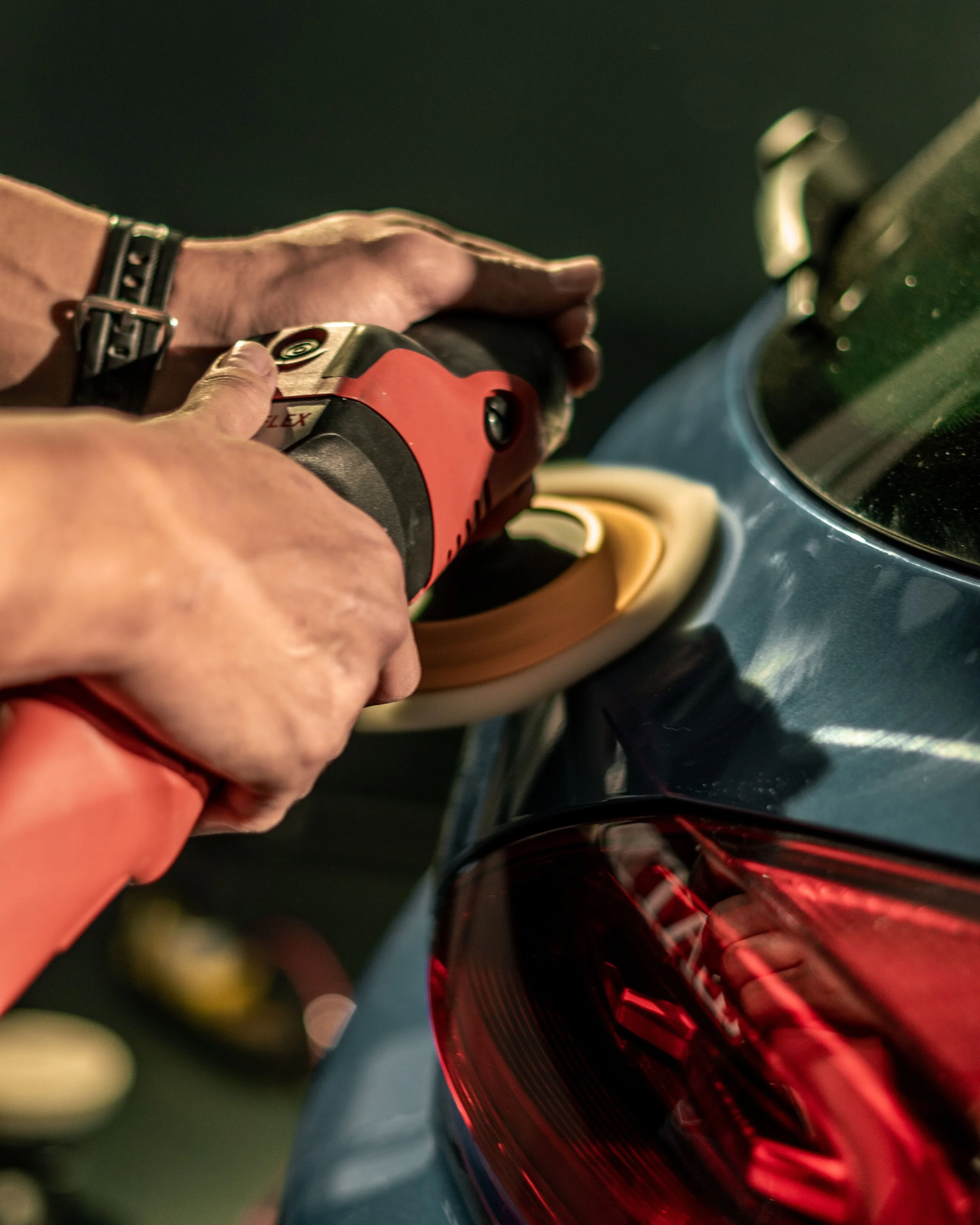
• Uses specialized tools and safe techniques
• Cleans and protects every surface
• Extends your vehicle paint protection
Why GTA Drivers Pay More for Professional Detailing
1. Skilled Labour & Experience
Professional detailers are trained to work safely on paint, leather, plastics, and electronics — especially important for newer vehicles common across the GTA. Detailers main focus will be to work in a way that maintains a vehicles condition and not overly use harsh chemicals for an extremely quick clean.
2. Professional-Grade Equipment
Steam cleaners, extractors, premium chemicals, and paint-safe tools deliver results a quick wash simply can’t.
3. Toronto Weather Protection
Salt, slush, heat, and pollution can take a toll on vehicles. Professional detailing helps to protect against corrosion, fading exterior trim, premature paint degradation and interior damage.
4. Convenience & Time Savings
Mobile detailing saves hours of travel and waiting — a major value for busy GTA professionals and business owners.
Is Professional Detailing Worth It?
For most Toronto drivers, yes. Regular detailing helps:
• Maintain resale value
• Reduce long-term repair costs
• Keep interiors hygienic and presentable
• Present a clean look for business vehicles, daily family drivers, and busy professionals
How Much Does Mobile Detailing Cost in Toronto?
Pricing depends on your vehicle's size, condition, and the package you choose, but most GTA drivers can expect:
Basic exterior wash & interior tidy: entry-level pricing for maintenance between full details
Full interior + exterior detail: the most popular option — deep interior clean plus a full exterior wash, decontamination, and protection
Premium/full correction packages: for vehicles that need paint correction, heavy stain removal, or pet hair extraction
A quick $15–20 car wash only touches the surface. A full mobile detail typically runs several hours because it includes steps a wash simply skips — steam extraction, trim dressing, wheel well decontamination, and interior sanitizing. When you compare it per-hour of labour and the cost of professional-grade tools and chemicals, the price gap makes more sense: you're paying for time, equipment, and a level of care that protects your car's long-term value, not just a few minutes of rinsing.
This holds true whether you're booking in Toronto, Mississauga, or Vaughan — the equipment and labour that go into a proper detail don't change by postal code, only the drive time does, which is exactly why we come to you instead of the other way around.
FAQ
Q: Is mobile detailing more expensive than taking my car to a detailing shop? Not usually. Mobile detailing often costs about the same as a shop visit, but you save the time and hassle of dropping off and picking up your vehicle.
Q: How often should I get my car professionally detailed? Most GTA drivers see the best results detailing 2–4 times a year, especially around spring (post-salt) and fall (pre-winter).
Q: Does a more expensive detail always mean better quality? Not necessarily — price should reflect the scope of work (interior + exterior, paint correction, protection applied), not just the detailer's reputation. Ask exactly what's included before booking.
Q: Can I just get the interior or exterior done instead of both? Yes, most detailers including First Call offer interior-only or exterior-only packages if you don't need the full service.
Professional detailing is not about being the quickest clean. While some packages are quicker then others the main focus is good results that last and ethical work meant to clean and preserve which will take time, and discernment. Professional detailers work to match the quality that a client is looking for within reason.

How Does Mobile Car Detailing Work in the GTA?
It All Begins Here
If you've never booked mobile detailing before, it's fair to wonder how it actually works — where does the water come from? Do you need to be home? Is it really as thorough as taking your car to a shop? Here's a straightforward walkthrough of the whole process, from booking to drive-away.
Step 1: You Book, We Confirm the Details
Most bookings start with a quick call, text, or online request. We'll ask a few questions about your vehicle's size and condition so we can give you an accurate quote and block off the right amount of time — most details run anywhere from 1 to 4+ hours depending on the package and how the car looks going in.
Step 2: We Bring Everything — You Don't Need to Prep Much
This is the part that surprises most first-time customers: a fully mobile detailer arrives with their own water tank, generator, and all products and tools needed. You don't need to run an extension cord or hook up a hose. All we typically ask is that we have enough space to park beside your vehicle and open all the doors — a driveway, condo garage spot, or office parking space all work fine.
If you're getting an interior service, having the car unlocked and any valuables or child car seats removed ahead of time helps things run smoothly.
Step 3: The Detail Itself
Depending on your package, this generally covers:
Exterior: foam pre-wash, hand wash, wheel and tire cleaning, and a wax or sealant application to protect the paint
Interior: full vacuum of seats, carpets, mats, and trunk, plus dashboard, console, and door panel wipe-down
Deeper packages may add steam cleaning, stain/odour extraction, leather conditioning, clay bar decontamination, or ceramic coating
We work through the vehicle systematically rather than rushing — the goal is a result that actually lasts, not just a quick surface rinse.
Step 4: You Don't Have to Stay and Watch
Most customers go about their day — work from home, run errands, or just relax inside — while the detail happens. If you'd rather not be there at all, that's usually fine too, as long as we've confirmed access to the vehicle ahead of time. Some customers ask for before-and-after photos if they're not around to see it in person.
Step 5: Final Walkthrough and Payment
Once we're done, we'll walk you through the vehicle so you can see the results and flag anything you'd like touched up. Payment is typically collected after the job is complete, once you're satisfied — cash, e-transfer, or card.
What Makes Mobile Different From a Shop Visit
The biggest difference is simple: you don't lose half a day. There's no dropping your car off, arranging a ride home, and coming back later — the detail happens wherever your car already is. For busy GTA professionals, families, or anyone without easy access to a shop (like condo residents), that convenience is often the deciding factor.
Mobile Detailing Across the GTA
We bring the same process to driveways, condo garages, and office lots throughout Toronto, Brampton, Mississauga, Vaughan, Oakville, King City, Richmond Hill, and Markham — the setup is the same no matter which part of the GTA you're in.
FAQ
Q: Do I need to be home during the appointment? Not necessarily. As long as we can access the vehicle and there's a safe spot to work, many customers aren't present for the whole service.
Q: What if it rains on my appointment day? Light rain usually isn't an issue for interior services, and exterior work can often be rescheduled or adjusted — we'll talk through the best option when you book.
Q: Can you detail a car in an underground condo garage? In many cases, yes — just let us know about any building restrictions (like ceiling height, guest parking rules, or water/power access) when booking so we can plan accordingly.
Q: How far in advance should I book? Same-day or next-day availability is often possible, but booking a few days ahead gives you the best chance at your preferred time slot, especially during busy seasons like spring and fall.
Q: Is mobile detailing suitable for larger vehicles like SUVs or trucks? Yes — pricing and time typically adjust based on vehicle size, but the mobile process works the same way regardless of what you drive.
Ready to see how easy mobile detailing can be? Book your detail today or call/text (416) 524-4022.